

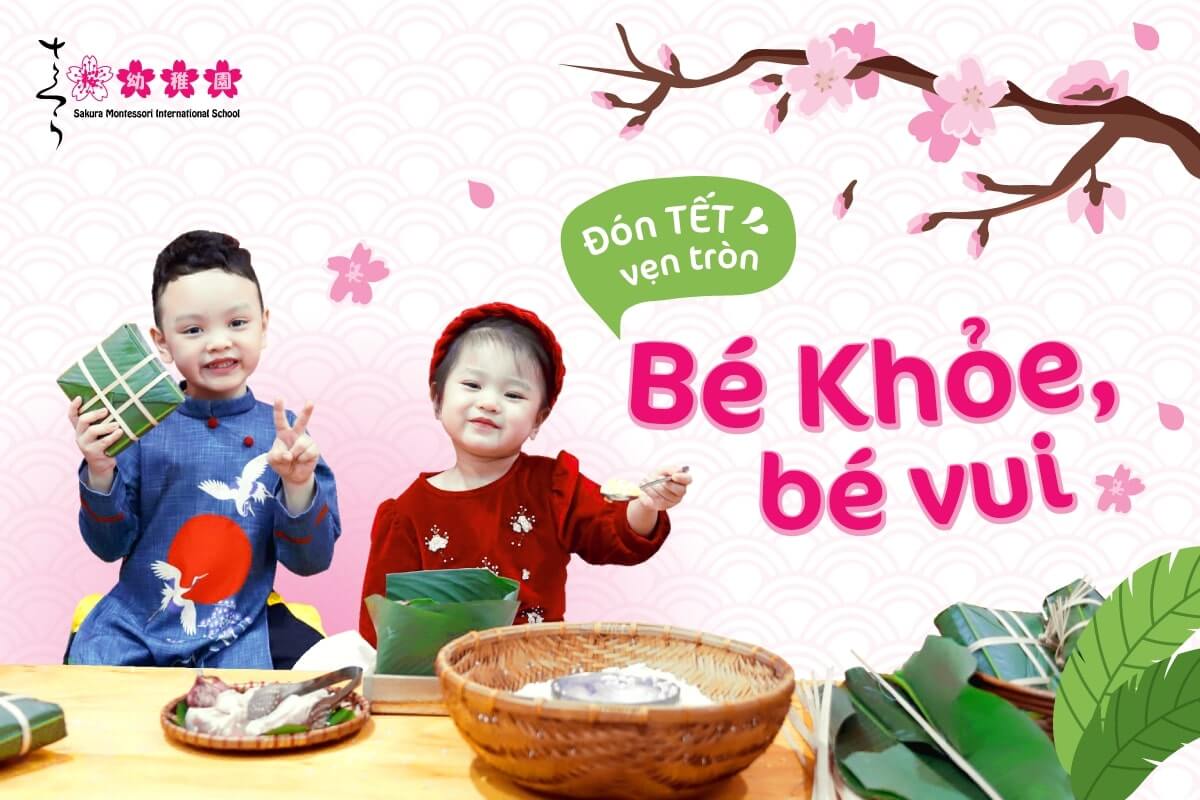
Golden tips for healthy kids during the Tet holiday

What should you notice about the nutrition regime and daily routine of children during the Tet holiday How can you parents take good care of your children during this time? What can you do to keep your children stay healthy, free from illnesses, have enough nutrients? And what to do to remain the normal routine for children?
Your concerns will be answered by Sakura Montessori as below.
1. REMAIN A BALANCED DIET
Despite lots of delicious dishes during the Tet holiday, you should not allow your child to “eat what you want”; instead, you should give them a balanced diet to ensure sufficient nutrients for their body. Providing them with meals rich in protein, fat, and carbohydrate, along with essential vitamins for the immune system such as A, D, and C and a good eating routine, will help children stay healthy, avoid constipation, digestive issues, or weigh loss after Tet.

Some important things to pay attention to when building a diet regime for your child during the Tet holiday:
– Add more vegetables, fruit, cereal, and juices to provide sufficient vitamins, minerals, and fibre for children.
– You can fortify vitamin D for your child by giving them fatty fish such as salmon, or milk rich in vitamin D; get zinc from beef, salmon, eggs, and milk; and provide them with vitamin C from citrus fruit (oranges, lemons, and tangerines).
– Food with lots of energy such as Chung cake, fried food, pork pies, instant sausage should only be consumed with a moderate amount.
– Children should not eat food containing too much salt such as pickles, dried food, and processed food such as sausages and pork pies.
– Give children a limit on food rich in carbohydrate, frozen food, confectionery, jam, and soft drinks.
– Apart from a balanced diet with various food groups, don’t forget to give your child sufficient water and encourage them for more movement to consume their extra energy.
2. BUILD A GOOD DAILY ROUTINE FOR CHILDREN
The daily routine of children tends to be messed up during the Tet holiday. However, this is not something advised for parents as changes in the routine often affect directly to physical and mental health of children.
Therefore, you should remain a good daily routine for your child by:
– Giving them sufficient sleep in a fixed pattern and avoiding staying up too late for their body to recreate and foster their immune system. Children should go to bed early at night and have a short rest during lunch break.
– Asking them to drink enough water, eat enough fruit and milk to give their body enough water and dampen their respiratory system to fight diseases.
Vào mỗi dịp Tết, giờ giấc sinh hoạt của trẻ liên tục bị đảo lộn. Tuy nhiên, với các gia đình có trẻ nhỏ, điều này không được khuyến khích bởi việc thay đổi thói quen sinh hoạt có ảnh hưởng trực tiếp tới sức khỏe thể chất và tinh thần của bé.

Do đó, ba mẹ cần duy trì thời gian sinh hoạt khoa học cho bé như:
– Cho bé ngủ đủ giấc, đúng giờ, không thức khuya để cơ thể bé có thời gian tái tạo, củng cố hệ miễn dịch. Bé cần được ngủ sớm vào ban đêm và dành thời gian để nghỉ trưa.
– Uống đủ nước, ăn trái cây và uống sữa để bổ sung đủ nước cho cơ thể cũng như làm ẩm đường hô hấp giúp phòng chống bệnh.
3. Rèn cho trẻ thói quen ăn uống tự giác
Nhiều ba mẹ thường vừa cho con ăn, vừa chơi, vừa xem tivi hoặc chạy nhảy mà không biết điều này gây hại cho hệ tiêu hóa của bé, khiến bé dễ bị đau dạ dày, trào ngược thực quản và hấp thụ kém. Cho nên, ba mẹ hãy tạo thói quen cho con ăn đúng giờ, đúng bữa chính và ăn cùng gia đình, tự giác xúc ăn.

Ngoài ra, ba mẹ cũng nên bổ sung thêm các bữa phụ giữa các bữa chính bằng hoa quả, ngũ cốc, sữa dinh dưỡng… để bổ sung năng lượng cho con, tránh tình trạng con bị đói, thiếu chất.
4. Giữ gìn vệ sinh răng miệng và thân thể
Việc vệ sinh răng miệng và thân thể thường bị người lớn bỏ quên trong dịp Tết, phần vì ba mẹ bận, phần vì chiều con, không muốn nhắc nhở, quát mắng con trong những ngày đầu năm. Nhưng ba mẹ có biết: Việc giúp bé xây dựng thói quen giữ vệ sinh vô cùng quan trọng, có thể giúp bé ngăn chặn vi khuẩn, bệnh tật ngoài da.

Ba mẹ hãy dành thời gian nhắc nhở, hướng dẫn con và thực hành cùng con các hoạt động như: rửa mặt theo đúng thói quen khoa học, vệ sinh chân tay sạch sẽ trước khi đi ngủ, rửa tay trước khi ăn và sau khi chơi, đánh răng sạch sẽ mỗi buổi sáng và tối…
5. Khuyến khích bé vận động mỗi ngày

Một yếu tố quan trọng khác giúp trẻ tăng sức đề kháng trong dịp Tết chính là vận động. Vì thế, ba mẹ hãy tạo cơ hội và khuyến khích con vận động khoảng 15 – 30 phút mỗi ngày bằng các hoạt động đơn giản như: dậy sớm thể dục mỗi sáng, cùng ba mẹ đi chơi Tết, thăm ông bà…
Tin tức liên quan
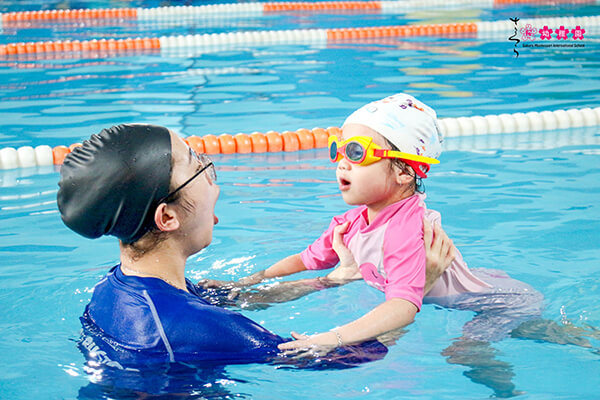
Survival swim American standards for children only at Sakura Montessori Duong Kinh
Swimming is always regarded as a comprehensive sport as it requires the coordination of all muscles during the process, and is also an essential life skill to everyone. Therefore, it’s vital for children to learn swimming from an early age. At Sakura Montessori Duong Kinh, swimming is a weekly lesson for SMISERs with the exclusive […]

Enjoy the sport day with our little athletes
After nearly 2 years of being delayed by the pandemic, children at Sakura Montessori now once again welcome the Sport Day with so many exciting games under the spirit “One team, one dream”. Young children “become” little athletes joining interesting sports in the atmosphere of a real tournament. An impressive performance with various movement games […]
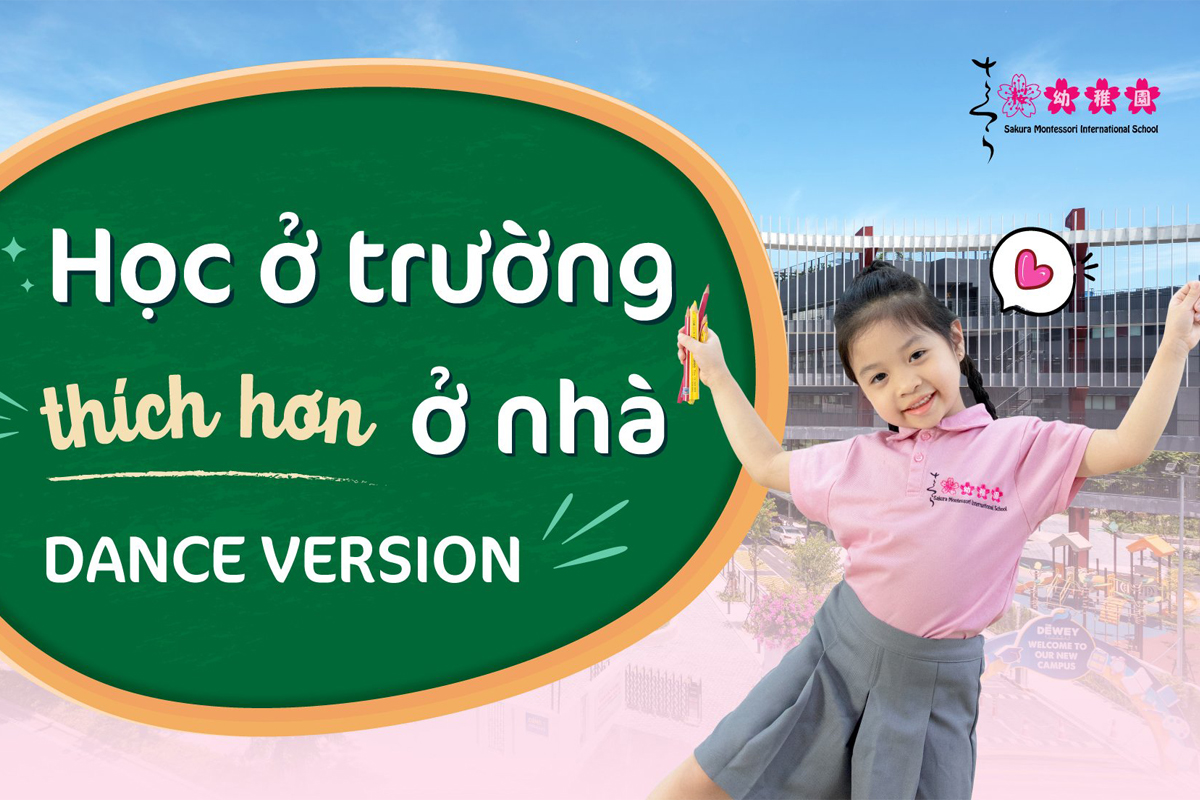
The Sakura Montessori child – “It’s more fun going to school than staying at home”
…”Học ở trường thích hơn ở nhà Cùng bạn bè nắm tay cười vui Và thầy cô luôn ở bên con Hướng dẫn bao điều hay Học ở trường thích hơn ở nhà Nhiều hoạt động giúp con tự tin Và tự con khám phá thế giới bao la Học ở trường thích hơn ở […]
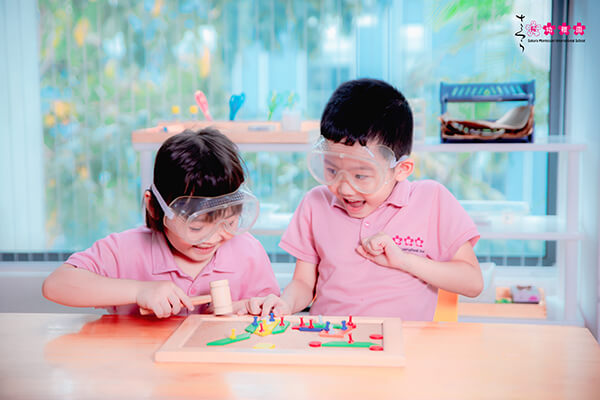
Improve concentration & stimulate brain developmen in young children
Dr. Maria Montessori stated that, “The first essential for the child’s development is concentration. The child who concentrates is immensely happy”. Upon the completion of work, “her eyes shone and she looked round about her. And, strangely enough, after all that long concentration she appeared to be rested rather than fatigued”. Under the light of […]